
What Is Included in a Full Body Massage Treatment?
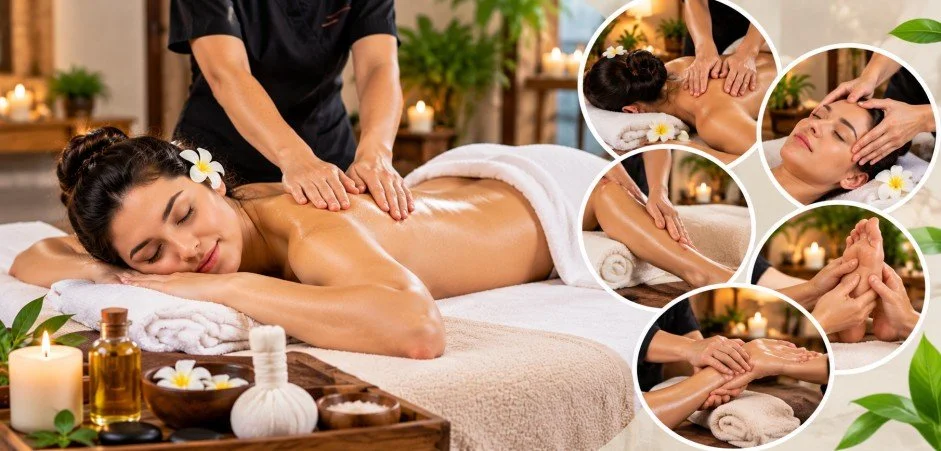
After a long day of work, hours spent sitting at a desk, or a physically demanding week, tension can build up in places you barely notice. Your shoulders may feel tight, your lower back may ache, and your legs might feel tired and heavy. A full body massage offers an opportunity to slow down, relax, and give your muscles some much-needed attention. But what actually happens during a session? Knowing which areas are covered and what techniques a therapist may use can help you feel more comfortable before your appointment.
What Does a Full Body Massage Include?
A full body massage generally covers the major muscle groups, including the back, shoulders, neck, arms, hands, legs, and feet. Depending on the treatment and your preferences, the therapist may also work on the hips and gluteal muscles. The exact areas covered can vary by clinic, massage style, appointment length, and individual needs.
When booking a full body massage in Vancouver, you can usually expect the session to begin with a brief conversation about your health, areas of tension, and preferred pressure. Your therapist may ask whether you have any injuries, medical conditions, sensitivities, or specific concerns that should be considered during the treatment.
You will then be given privacy to get comfortable on the massage table, with a sheet or towel used to cover your body. The therapist uncovers only the area being treated, maintaining your comfort and modesty throughout the session.
1. Back, Neck, and Shoulders
The back, neck, and shoulders often receive particular attention because everyday activities can place considerable strain on these areas. Sitting for extended periods, working at a computer, lifting objects, and maintaining the same posture for hours may contribute to muscular tightness.
A therapist may use kneading, gliding strokes, and gentle pressure to work on the muscles around the upper and lower back. The shoulders and neck may also receive focused attention, especially if you experience stiffness or tension around the shoulder blades.
Pressure should be adjusted to your comfort level. A massage does not need to feel painful to be effective, and you should speak up if a technique feels too intense.
2. Arms, Hands, and Legs
The arms and hands can benefit from massage if you spend much of your day typing, using a mouse, or performing repetitive tasks. The therapist may work along the forearms, upper arms, palms, and fingers, depending on the treatment plan.
The legs are another important part of a full body session. Massage may include the thighs, calves, and feet to address tired muscles after walking, standing, or exercising. Gentle, rhythmic strokes and kneading techniques can help relieve feelings of muscular tightness and encourage relaxation.
If you have particularly sensitive areas, the therapist can adjust the pressure or spend less time on them. Certain medical conditions, including suspected blood clots, require medical assessment rather than massage of the affected area.
3. Hips and Other Areas, Depending on Your Preferences
Some full body treatments include the hips and gluteal muscles, which may become tight after prolonged sitting or physical activity. Whether these areas are treated depends on the clinic's approach, your comfort, and the time available.
You can discuss any boundaries or preferences before the massage begins. Intimate areas are not part of a standard full body massage, and appropriate draping should be maintained throughout the session.
Which Techniques Are Used During a Full Body Massage?
The techniques used depend on the type of massage you book, the therapist's training, and your goals. A relaxation-focused treatment may involve slow, flowing movements, while a session aimed at muscular tension may use more targeted pressure.
Swedish massage commonly includes long gliding strokes, kneading, circular movements, and other techniques designed to promote relaxation. Some therapists may also use gentle stretching or focused work on specific muscle groups when appropriate.
If you book a full body massage in Vancouver, tell your therapist whether you prefer light, medium, or firm pressure. It is also helpful to explain whether you want general relaxation or more attention on areas such as your shoulders, lower back, or calves. This allows the therapist to tailor the session rather than applying the same approach to every part of the body.
How Long Does a Full Body Massage Take?
A full body massage commonly lasts between 60 and 90 minutes, although shorter and longer appointments may be available. A 60-minute session can cover the major muscle groups, while a 90-minute treatment allows more time for focused attention on areas that need it.
The time spent on each area will depend on your preferences and the therapist's assessment. If you have several areas of concern, mention them before the session so the therapist can plan the available time accordingly.
How Should You Prepare for Your Appointment?
A little preparation can make the experience more comfortable. Consider these simple steps before your appointment:
· Arrive a few minutes early: This gives you time to complete any intake forms and discuss your preferences.
· Share relevant health information: Tell your therapist about injuries, recent surgeries, allergies, or medical conditions that may affect the treatment.
· Stay comfortably hydrated: Drink water as you normally would before and after your appointment.
· Avoid a heavy meal immediately beforehand: A lighter stomach may make lying on the massage table more comfortable.
· Communicate throughout the session: Let your therapist know if the pressure, room temperature, or positioning needs adjusting.
After the massage, take a moment to get up slowly and notice how you feel. Some people feel relaxed immediately, while others may experience temporary mild tenderness after deeper pressure. Persistent or severe pain is not an expected outcome and should be assessed appropriately.
Frequently Asked Questions
1. Does a full body massage include the head?
Not always. Some therapists include scalp massage, while others offer it as an additional service. Ask what is covered when booking.
2. Do I have to remove all my clothing?
No. You can keep on whatever undergarments you feel comfortable wearing. Professional draping should protect your privacy throughout the treatment.
3. Is a full body massage painful?
It should not be excessively painful. You may feel pressure when tight muscles are treated, but you can ask your therapist to adjust the intensity at any time.
4. How often should I get a full body massage?
It depends on your needs, budget, activity level, and response to treatment. Some people book occasionally for relaxation, while others prefer regular appointments for ongoing muscle tension.
5. Can I request extra attention for one area?
Yes. Tell your therapist about your priorities before the session begins. They can allocate more time to particular areas where appropriate, although this may mean spending less time on others.
Book Your Massage at New Moon Massage and Wellness
Make time to relax and give your body the attention it deserves. If you are looking for a full body massage in Vancouver, contact New Moon Massage and Wellness to learn about available treatments and find an appointment that suits your needs. Share your preferences with the team so you can choose an experience that feels comfortable, restorative, and tailored to you.