
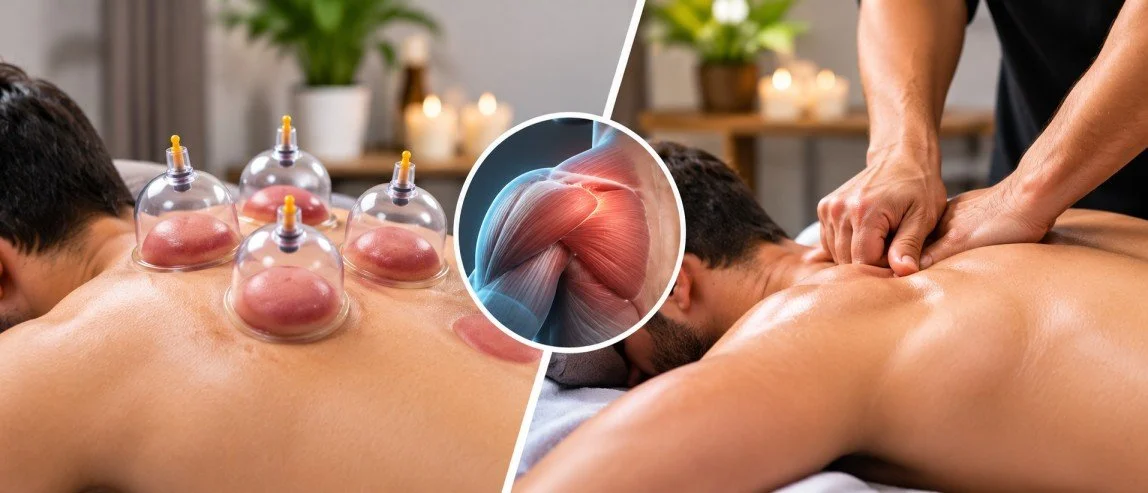
Muscle soreness and stiffness are common after intense exercise, physically demanding work, or repetitive movements. While rest and stretching can help, many people seek professional therapies to recover faster and reduce discomfort. Two popular options are cupping therapy and deep tissue massage. Both are designed to relieve muscle tension and support recovery, but they work in different ways. Understanding their benefits can help you choose the treatment that best matches your needs and recovery goals.
Understanding How Each Therapy Works
What Is Cupping Therapy?
Cupping therapy uses specially designed cups placed on the skin to create gentle suction. This suction lifts the soft tissue rather than compressing it, which may help improve circulation, reduce muscle tightness, and encourage the body's natural healing process.
Many people choose cupping in Vancouver as part of their wellness routine because it offers a non-invasive approach to relieving muscle discomfort. Temporary circular marks may appear after treatment, but these usually fade within several days.
What Is Deep Tissue Massage?
Deep tissue massage uses slow, firm pressure to target the deeper layers of muscles and connective tissues. It focuses on breaking down areas of tightness, improving flexibility, and reducing muscle stiffness caused by overuse or injury.
Unlike relaxation massage, deep tissue techniques concentrate on specific problem areas, making this therapy particularly beneficial for individuals experiencing chronic muscle tension.
Comparing the Benefits for Muscle Recovery
Pain Relief
Both therapies may help relieve muscle pain, but they do so differently.
Cupping therapy works by lifting the tissues and promoting circulation, while deep tissue massage reduces tension through direct pressure. Individuals experiencing widespread muscle tightness may benefit from cupping, whereas localized muscle knots often respond well to deep tissue massage.
Improved Blood Circulation
Healthy circulation delivers oxygen and nutrients to recovering muscles.
Cupping therapy is particularly known for stimulating blood flow beneath the skin, which may assist the body's natural recovery process. Improved circulation can also help reduce feelings of muscle fatigue after strenuous activity.
Reduced Muscle Tightness
Deep tissue massage excels at releasing stubborn muscle adhesions and tension caused by repetitive movements or prolonged sitting.
Meanwhile, cupping in Vancouver is frequently chosen by individuals looking to reduce overall muscle stiffness while promoting relaxation throughout larger muscle groups.
Enhanced Flexibility and Mobility
Restricted muscles often reduce range of motion.
Both therapies may improve flexibility by decreasing tension, although athletes sometimes combine them for more comprehensive recovery. Increased mobility can make everyday activities and exercise feel more comfortable.
Which Therapy Is Better for Different Situations?
Choose Cupping Therapy If You:
Experience widespread muscle soreness
Want to improve circulation
Prefer a treatment with minimal direct pressure
Feel muscle fatigue after workouts
Are looking for a complementary recovery technique
Choose Deep Tissue Massage If You:
Have persistent muscle knots
Experience chronic neck or back tension
Need focused treatment for specific muscles
Recover from repetitive strain
Prefer hands-on pressure during treatment
Many people receiving cupping in Vancouver also combine it with massage therapy as part of a personalized treatment plan to address multiple recovery needs.
Can You Combine Both Treatments?
Yes. Cupping therapy and deep tissue massage often complement one another.
Some practitioners begin with massage to warm the muscles before applying cups, while others use cupping first to improve circulation before performing targeted massage techniques. The most suitable approach depends on your symptoms, health history, and treatment goals.
A qualified therapist can determine which combination is appropriate for your condition while ensuring each treatment supports your overall recovery.
Choosing the Right Treatment for Your Needs
There is no universal answer because every individual's body responds differently.
If your primary concern is deep muscle tension and restricted movement, deep tissue massage may be the better choice. If you are looking to improve circulation, reduce widespread soreness, or support post-exercise recovery, cupping in Vancouver may offer excellent benefits.
Consulting an experienced therapist allows you to receive a personalized assessment and treatment plan that addresses your specific concerns rather than relying on a one-size-fits-all approach.
Frequently Asked Questions
1. Does cupping therapy hurt?
Most people experience a gentle pulling sensation rather than pain. The intensity can be adjusted to ensure comfort throughout the treatment.
2. Why do cupping marks appear?
The circular marks result from suction increasing blood flow to the treated area. They are usually temporary and fade within several days.
3. Is deep tissue massage painful?
Some pressure may feel intense when treating tight muscles, but the treatment should remain manageable and should not cause severe pain.
4. Can athletes benefit from both therapies?
Yes. Many athletes combine cupping therapy with deep tissue massage to support recovery, improve mobility, and reduce muscle soreness.
5. How often should I receive these treatments?
Treatment frequency depends on your activity level, symptoms, and recovery goals. Your therapist can recommend a schedule that suits your individual needs.
Recover Better with New Moon Massage and Wellness
Whether you're recovering from intense training, managing chronic muscle tension, or simply looking to improve your overall well-being, New Moon Massage and Wellness offers personalized care tailored to your needs. Our experienced practitioners provide professional cupping therapy and massage treatments designed to support muscle recovery, reduce discomfort, and help you move with greater ease. Book your appointment today and experience a treatment plan created specifically for you.