
10 Benefits of Deep Tissue Massage in Vancouver for Muscle Tension
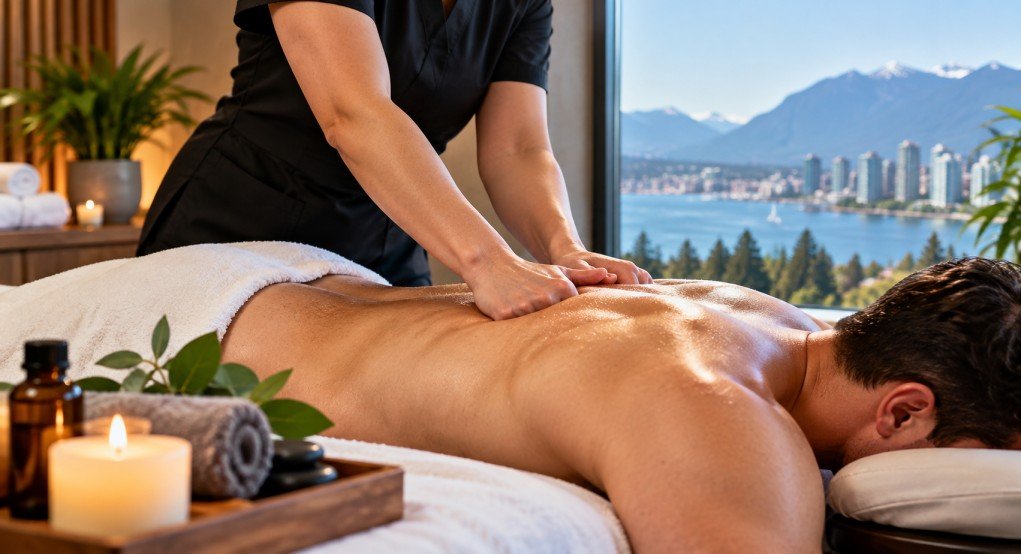
Muscle tension can build up quietly. Long hours at a desk, demanding workouts, repetitive movements, and everyday stress may leave your shoulders, back, neck, or legs feeling tight and uncomfortable. Over time, this tension can affect how you move, rest, and enjoy your usual activities. Deep tissue massage is one option for people seeking focused pressure and hands-on care for muscular discomfort. When tailored to your needs, it may help you feel more comfortable and relaxed.
10 Benefits of Deep Tissue Massage for Muscle Tension
Deep tissue massage involves slower, more focused techniques that work on deeper layers of muscle and connective tissue. The pressure can be adjusted according to your comfort, the area being treated, and your individual needs. Although it is often associated with muscle tension, it is not suitable for everyone, and deeper pressure does not necessarily mean better results.
Here are ten potential benefits to consider.
1. Helps Ease Muscle Tightness
Tight muscles can make ordinary movements feel uncomfortable. Focused massage may help reduce the sensation of muscular tightness by working on areas that feel tense or overworked. Your therapist can concentrate on common problem areas, such as the shoulders, upper back, lower back, or thighs.
2. May Reduce Exercise-Related Discomfort
Physical activity can leave muscles feeling tired and sore, particularly after an unfamiliar or demanding workout. Deep tissue massage may provide temporary relief from some exercise-related discomfort and help you feel more comfortable while returning to your normal routine. It should complement, rather than replace, adequate rest and recovery.
3. Supports Flexibility and Range of Motion
Muscle tension can make certain movements feel restricted. By addressing areas of tightness, massage may help you move more comfortably. Some people find it easier to stretch or perform everyday activities after a session. However, massage does not guarantee improved flexibility, and persistent movement restrictions may require assessment by a qualified healthcare professional.
4. Encourages Relaxation
Although deep tissue massage is often associated with firm pressure, it can still offer a relaxing experience when performed appropriately. Taking time away from work, screens, and daily responsibilities may help you unwind. Communicating openly with your therapist can make the session more comfortable and enjoyable.
5. May Help Relieve Tension Associated with Desk Work
Sitting for extended periods can contribute to discomfort around the neck, shoulders, and upper back. Poor workstation habits and limited movement may add to the problem. A targeted massage may help ease some of the muscular discomfort associated with prolonged desk work. Combining massage with regular movement and an ergonomic workstation can provide a more comprehensive approach to managing tension.
6. Promotes Awareness of Muscular Tension
Many people do not notice how much tension they carry until they receive focused bodywork. A massage session can encourage you to pay attention to areas that feel tight, sensitive, or overworked. This awareness may help you recognise when you need a break, change your posture, or adjust your daily activities.
7. May Support Recovery After Repetitive Activities
Repetitive movements at work, during sports, or while completing household tasks can place stress on particular muscle groups. A carefully tailored session may help relieve associated muscular discomfort. For those considering deep tissue massage in Vancouver, discussing their daily activities with a therapist can help identify areas that may benefit from focused attention.
8. Offers Personalised Pressure and Attention
Not everyone experiences muscle tension in the same way. One person may have tight shoulders, while another may notice discomfort in the calves, hips, or lower back. A deep tissue session can be adapted to the areas that need attention. Your therapist can also adjust the pressure throughout the appointment based on your feedback.
9. May Complement an Active Lifestyle
Whether you enjoy running, cycling, hiking, strength training, or simply staying active, muscle care can be an important part of your routine. Massage may complement stretching, mobility exercises, hydration, and appropriate rest. It is not a substitute for injury assessment or a structured rehabilitation programme, but it can be one component of a broader wellness routine.
10. Creates Time for Personal Wellbeing
Busy schedules often leave little room for self-care. Booking a massage provides a dedicated opportunity to pause and focus on your physical comfort. A calm setting and individual attention can make it easier to step away from everyday responsibilities. For some people, this scheduled time becomes a useful reminder to take their wellbeing seriously.
What to Expect from a Deep Tissue Massage Session
If you are considering deep tissue massage in Vancouver, understanding what happens during a typical appointment can help you feel more prepared. The session usually begins with a conversation about your concerns, activity levels, areas of tension, and any relevant health conditions. This information helps the therapist decide which techniques and pressure levels may be appropriate.
During the massage, the therapist may use slow strokes, sustained pressure, and focused movements on selected muscle groups. You may experience some pressure or tenderness, but the treatment should remain within a tolerable range. Deep tissue massage should not require you to endure sharp, intense, or unbearable pain.
After the session, some people feel relaxed, while others notice temporary tenderness. Drinking water, taking it easy if needed, and allowing your body time to recover may be helpful. If discomfort is severe, persistent, or unusual, seek appropriate medical advice.
Is Deep Tissue Massage Right for You?
Deep tissue massage may be an option for adults experiencing ordinary muscular tightness or seeking focused bodywork. However, it is not appropriate for every situation. People with certain medical conditions, recent injuries, unexplained pain, blood-clotting concerns, or other health issues should consult a qualified healthcare professional before receiving massage.
A therapist should also be informed about any medications, recent procedures, or areas of sensitivity that could affect treatment. A suitable session should always take your comfort, health, and individual circumstances into account.
Frequently Asked Questions
1. What is deep tissue massage? Deep tissue massage uses slower, focused techniques and firmer pressure to address deeper layers of muscle and connective tissue.
2. Is deep tissue massage painful? Some pressure or mild tenderness may occur, but severe pain is not expected. Always tell your therapist if the pressure feels uncomfortable.
3. How long does a deep tissue massage session last? Session lengths vary by provider and treatment plan. Your therapist can explain the available durations when you book.
4. Can deep tissue massage help with back tension? It may help ease some muscular back tension, but persistent or unexplained back pain should be assessed by a healthcare professional.
5. How often should I receive deep tissue massage? There is no standard frequency for everyone. Your schedule should depend on your comfort, wellness goals, activity levels, and professional guidance.
Book Your Massage at New Moon Massage and Wellness
Give your body the attention it deserves with a personalised massage experience at New Moon Massage and Wellness. If you are looking for a focused approach to everyday muscle tension, contact the team to discuss your needs and find a suitable appointment.