
Sports Massage in Vancouver: Essential Recovery Tips for Active Lifestyles in 2026
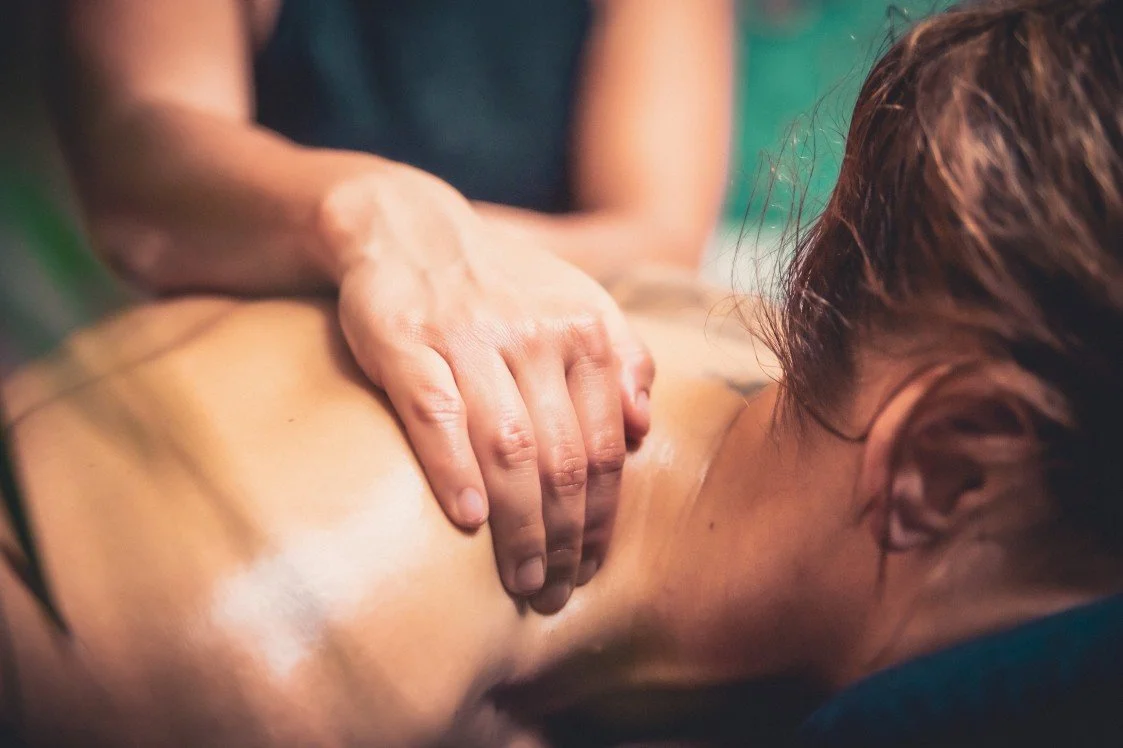
Staying active is one of the best ways to support long-term health, but it also places demands on the body. Whether you are a competitive athlete, a recreational runner, a cyclist, or someone who enjoys regular fitness training, recovery is just as important as exercise itself. In 2026, more people are recognizing the value of sports massage in Vancouver as a key part of maintaining performance, reducing discomfort, and supporting overall wellness. By combining professional treatment with smart recovery habits, active individuals can continue enjoying their favourite activities while helping their bodies perform at their best.
Why Recovery Matters More Than Ever
Modern fitness culture often focuses heavily on training intensity, but recovery is where the body adapts and rebuilds. Muscles, connective tissues, and joints need adequate time and support to recover from physical exertion.
Without proper recovery, individuals may experience fatigue, reduced performance, muscle tightness, and increased risk of injury. This is one reason why sports massage in Vancouver continues to gain popularity among people with active lifestyles. It provides targeted support that complements exercise and helps the body recover more effectively.
Understanding Sports Massage
Sports massage is designed specifically for individuals who engage in physical activity on a regular basis. Unlike a general relaxation massage, sports massage often focuses on muscle groups that experience repetitive stress during training and competition.
Treatment techniques may vary depending on a person's activity level, recovery needs, and physical goals. A professional therapist can tailor each session to address specific areas of tension, improve flexibility, and support overall mobility.
How Sports Massage Supports Recovery
Physical activity creates microscopic stress within muscles and connective tissues. While this process is a normal part of adaptation and strengthening, it can also contribute to soreness and stiffness.
A sports massage in Vancouver may help encourage circulation and promote relaxation in overworked muscle groups. Improved blood flow supports the delivery of oxygen and nutrients throughout the body, helping active individuals feel more comfortable during recovery periods.
Recovery Tip #1: Prioritize Consistency
Many people seek massage therapy only when discomfort becomes significant. However, consistent treatment often provides greater long-term benefits.
Scheduling regular sessions allows therapists to address recurring areas of tension before they become larger concerns. Incorporating massage into an ongoing wellness plan can help maintain flexibility, mobility, and overall physical comfort throughout the year.
Recovery Tip #2: Stay Hydrated
Hydration plays an important role in muscle recovery and overall health. Active individuals lose fluids through exercise, making it essential to replenish water levels consistently.
Drinking adequate water before and after a massage session can support circulation and help the body function efficiently. Proper hydration complements the benefits of professional treatment and contributes to overall recovery.
Recovery Tip #3: Balance Training and Rest
Many athletes focus heavily on training volume while underestimating the importance of rest. Recovery periods allow the body to repair and adapt to physical demands.
Combining appropriate rest with a sports massage in Vancouver creates a balanced recovery strategy. This approach helps reduce accumulated tension while supporting long-term performance goals.
Recovery Tip #4: Focus on Mobility
Mobility is essential for maintaining healthy movement patterns and reducing unnecessary strain on muscles and joints. Incorporating stretching and mobility exercises into a fitness routine can complement massage therapy.
Improved mobility often contributes to better athletic performance and a reduced likelihood of movement-related discomfort. Massage can support these efforts by addressing areas of muscular tightness that limit range of motion.
Recovery Tip #5: Listen to Your Body
One of the most valuable recovery habits is learning to recognize the body's signals. Persistent soreness, fatigue, or reduced performance may indicate a need for additional recovery support.
Paying attention to these signs allows individuals to make adjustments before small issues become larger setbacks. Professional massage therapy can play an important role in this preventative approach.
Sports Massage and Injury Prevention
While no treatment can completely eliminate the risk of injury, proactive recovery strategies often help active individuals stay healthier over time.
A sports massage in Vancouver can help identify areas of tension, imbalance, or restricted movement that may affect performance. Addressing these concerns early can support more efficient movement patterns and contribute to overall physical well-being.
The Growing Role of Recovery in 2026
Recovery is no longer viewed as something reserved for elite athletes. In 2026, people of all activity levels are embracing wellness practices that support sustainable fitness and healthy living.
From weekend hikers to dedicated gym enthusiasts, more individuals understand that proper recovery helps them continue participating in the activities they enjoy. Massage therapy has become a valuable component of this broader wellness movement.
Choosing Professional Massage Care
Finding a qualified massage therapist is an important part of creating an effective recovery plan. Experienced professionals understand the physical demands associated with different activities and can customize treatment accordingly.
When selecting a provider, look for a welcoming environment, personalized care, and therapists who take time to understand your goals. These qualities help ensure that each session delivers meaningful support for your active lifestyle.
FAQs
1. What is sports massage used for?
Sports massage is commonly used to support recovery, reduce muscle tension, improve mobility, and help active individuals maintain physical comfort during training and exercise.
2. How often should I get a sports massage?
The ideal frequency depends on activity levels and recovery goals. Many active individuals schedule sessions every two to four weeks.
3. Is sports massage only for professional athletes?
No. Anyone who participates in regular physical activity can benefit from sports massage, regardless of fitness level or athletic experience.
4. Can sports massage help reduce muscle soreness?
Many individuals find that sports massage helps relieve muscle tightness and supports overall recovery after physical activity.
5. Should I exercise immediately after a sports massage?
Light activity is generally acceptable, but many people benefit from allowing their bodies time to rest and recover following treatment.
Recover Smarter with New Moon Massage and Wellness
At New Moon Massage and Wellness, we understand the importance of recovery for maintaining an active and healthy lifestyle. Our personalized massage services are designed to help reduce tension, improve comfort, and support your wellness goals. Whether you are training for an event or simply staying active, our experienced team is here to help. Book your appointment today and experience the benefits of professional recovery care.