
Chinese Medicine for Winter Wellness: Herbs & Acupressure at Home
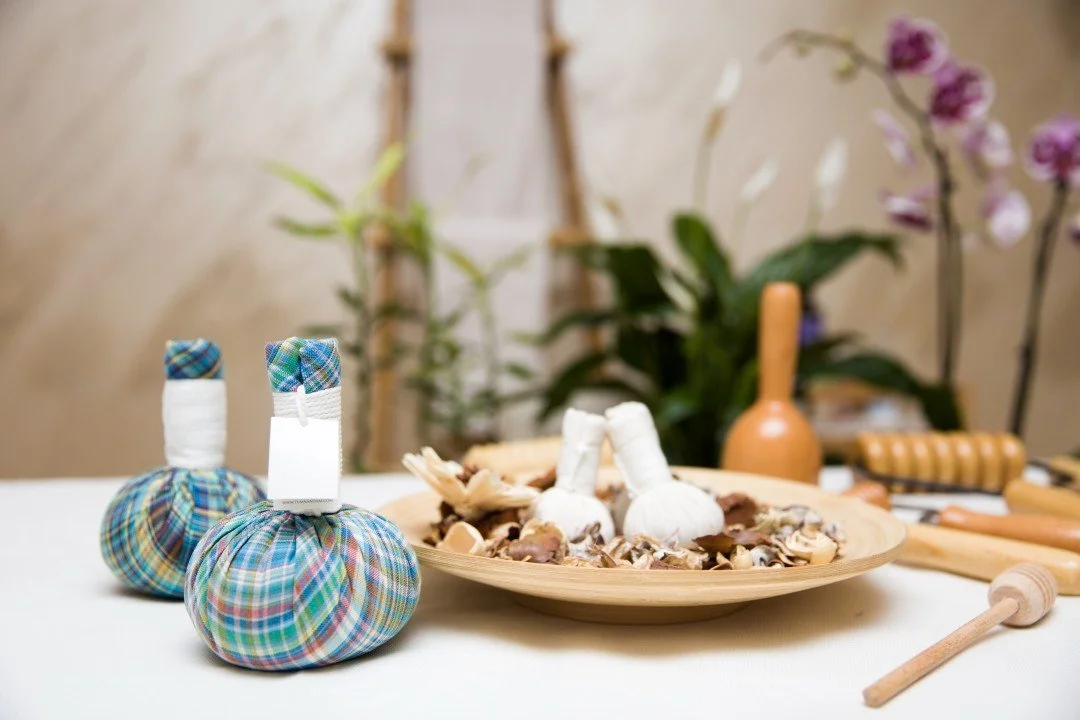
Wintertime in Canada is full of beauty, serenity, and fresh air but is also the time of year when many suffer from fatigue, dry skin, weakened immune systems, and fluctuations in mood due to being indoors most of the time. One way to combat these issues during winter is through Traditional Chinese Medicine's holistic approach for addressing both physical and emotional health during this season. More people are turning to traditional Chinese medicine clinics to learn how to use herbs, acupressure, and minor lifestyle modifications to support their overall well-being during the winter months. Practitioners recommend that even if you are unable to make it into the office physically, you can incorporate the principles of Traditional Chinese Medicine into your daily life using simple routines and remedies provided by practitioners you trust, such as herbalists in Vancouver.
Understanding Winter Through Chinese Medicine
Winter is considered the season of the Water element in Traditional Chinese Medicine (TCM). It is a time associated with stillness, introspection, and conserving energy. According to practitioners at any authentic Chinese medicine clinic, the kidneys are believed to be the most vulnerable organ system in winter, as they regulate vitality, warmth, strength, and longevity. When kidney energy is depleted, people may notice increased joint stiffness, lower back discomfort, fearfulness, low motivation, and susceptibility to colds or flu.
Supporting the kidneys through warming foods, gentle movement, adequate rest, and herbs recommended by an herbalist Vancouver locals often consult can help create a foundation of wellness that lasts beyond winter. The goal is not only to manage symptoms but also to support long-term harmony in the body.
Warming Herbs for Seasonal Balance
Herbs are one of the most important tools used in Chinese medicine to strengthen the body during colder months. Many plants have warming, soothing, and immune-supporting properties that gently nourish the kidneys, lungs, and digestive system.
Ginger (Sheng Jiang)
Fresh ginger is widely loved for its warming properties. It improves circulation, reduces coldness, and helps relieve early signs of cold or flu. Drinking ginger tea daily supports digestion and helps your body stay warm from the inside out.
Astragalus (Huang Qi)
Astragalus is often suggested by an herbalist Vancouver residents rely on for preventive care. This herb is known for boosting immunity, improving energy, and helping the body adapt to stress. During winter, it can act as a protective shield against seasonal infections, especially when consumed regularly in teas or soups.
Cinnamon Bark (Rou Gui)
This herb warms the core of the body and improves blood flow. It is especially helpful for those who experience cold hands and feet. Cinnamon also complements other herbs, making it a common ingredient in winter formulas prepared by a Chinese medicine clinic.
Licorice Root (Gan Cao)
Licorice root harmonizes herbal formulas and calms irritated respiratory pathways. Winter dryness often affects the throat and sinuses, and this herb offers gentle relief while supporting the digestive and immune systems.
Goji Berries (Gou Qi Zi)
These small berries nourish the liver and kidneys, support blood health, and improve overall vitality. They can be added to teas, soups, oatmeal, or baked dishes for a nutritious winter boost.
While many herbs are accessible at home, it is wise to consult an expert such as an herbalist Vancouver patients trust for guidance on correct combinations and dosages, especially when using herbs regularly.
Acupressure You Can Practise at Home
Acupressure offers a natural and comforting way to relieve winter-related discomforts. It uses finger pressure on specific points along the body’s energetic pathways to balance circulation, boost warmth, and ease tension.
Kidney 3 (Taixi)
Located behind the inner ankle bone, Kidney 3 helps nourish kidney energy and supports overall warmth. Applying gentle pressure for 2–3 minutes on each side daily can reduce fatigue and improve vitality.
Stomach 36 (Zusanli)
This point, found a few inches below the kneecap, is one of the most powerful points for immunity and digestion. Regular massage helps strengthen the body during times of stress and cold exposure.
Large Intestine 4 (Hegu)
Located on the hand between the thumb and index finger, LI4 is used to fight early cold symptoms, headaches, and sinus pressure. It can also help improve circulation in the upper body.
Lung 7 (Lieque)
This point supports lung health, which is especially important during winter when respiratory issues become more common. Gentle pressure helps ease coughs, congestion, and dryness.
Most of these points are easy to locate and apply at home, making them accessible tools for daily winter care. Practitioners at a professional Chinese medicine clinic often guide patients on proper technique to enhance the benefits.
Winter Foods That Warm and Nourish
Food therapy is a cornerstone of Chinese medicine. Eating warming, nutrient-rich meals helps keep your digestive fire strong, which in turn fuels the entire body. During winter, it’s beneficial to include:
Soups and stews with root vegetables
Warm spices like garlic, turmeric, cinnamon, and cardamom
Black beans, kidney beans, and lentils
Seaweed, bone broth, and whole grains
Nuts and seeds for sustained energy
Limiting cold or raw foods is encouraged, as they can weaken digestive function during an already cold season. Nourishing yourself with slow-cooked meals and herbal teas promotes deeper warmth and supports the kidneys—something every practitioner at a Chinese medicine clinic would recommend during winter months.
Movement and Rest for Seasonal Harmony
TCM encourages gentle, restorative movements during winter. Practices such as tai chi, qigong, slow yoga, and mindful walking help support circulation without draining your energy. Overexertion during winter can weaken the immune system, so the key is to stay active while honouring the season’s natural stillness.
Equally important is quality rest. Winter is the time to restore, reset, and replenish. Prioritizing sleep strengthens immunity and supports the healing process, allowing the body to function smoothly when temperatures drop.
Support Your Seasonal Wellness with New Moon Massage and Wellness
If you are looking to explore herbal remedies, acupressure guidance, or holistic healing from experienced practitioners, New Moon Massage and Wellness is here to support you. With access to trusted experts in Chinese medicine and personalized care, you can nurture your body gently throughout winter. Reach out today and let your wellness journey begin.