
Can Therapeutic Massage Help with Sciatica?
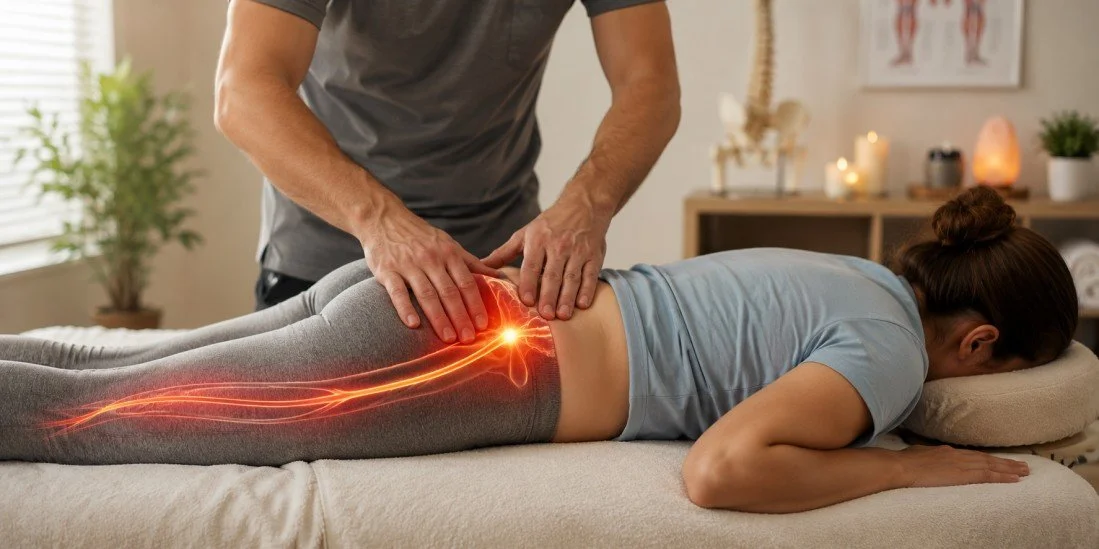
Sciatica pain can make everyday activities feel challenging, from sitting at a desk to walking or sleeping comfortably. This condition often causes sharp pain, tingling, or numbness that travels from the lower back through the hips and legs. While different treatment approaches are available, many people explore massage therapy as a natural way to manage discomfort and improve mobility.
Understanding Sciatica and Its Causes
Sciatica occurs when the sciatic nerve, which runs from the lower back through the hips and down each leg, becomes irritated or compressed. This irritation can result from several factors, including a herniated disc, muscle tightness, spinal changes, injuries, or prolonged pressure on the lower back.
Common symptoms of sciatica include:
Lower back pain
Pain that spreads into the buttocks or legs
Muscle stiffness
Tingling or numbness
Difficulty moving comfortably
While massage therapy does not directly correct structural issues affecting the spine, it may help address related muscle tension and discomfort. Tight muscles around the lower back, hips, and glutes can increase pressure on surrounding areas, potentially worsening symptoms.
Many individuals seeking therapeutic massage in Vancouver explore treatments designed to relax tense muscles, improve circulation, and support overall physical comfort.
How Therapeutic Massage May Help with Sciatica
Reducing Muscle Tension and Discomfort
One of the main benefits of therapeutic massage is its ability to target areas of muscle tightness. When muscles around the lower back and hips become tense, they may contribute to additional discomfort for people experiencing sciatica.
A trained massage therapist can use specific techniques to release tension, improve flexibility, and encourage relaxation in affected areas. By reducing muscular stiffness, massage may help clients move more comfortably and manage daily activities with less discomfort.
Improving Circulation and Supporting Recovery
Massage therapy encourages better blood circulation throughout treated areas. Improved circulation may support the delivery of oxygen and nutrients to muscles while helping the body recover from tension and strain.
A personalised approach is important because sciatica symptoms can vary significantly from person to person. A professional therapist will assess your condition, understand your pain patterns, and adjust techniques according to your comfort level.
Individuals considering therapeutic massage in Vancouver should choose a qualified practitioner who understands musculoskeletal concerns and can provide treatment based on their specific needs.
Supporting Relaxation and Stress Management
Living with ongoing pain can also affect mental well-being. Stress and muscle tension often influence each other, creating a cycle where discomfort increases physical strain.
Massage therapy promotes relaxation by calming the nervous system and reducing built-up tension. Many clients report feeling more relaxed, refreshed, and comfortable after a session. However, massage should be considered a complementary approach alongside advice from healthcare professionals when dealing with persistent or severe sciatica symptoms.
What to Expect During a Massage Session for Sciatica
Before beginning treatment, a massage therapist will usually discuss your symptoms, medical history, and areas of discomfort. This helps create a suitable treatment plan and ensures techniques are adjusted safely.
During the session, the therapist may focus on areas such as the lower back, hips, glutes, and surrounding muscles. The pressure used will depend on your condition and comfort level. Massage should not cause sharp pain or worsen symptoms, so communication throughout the appointment is essential.
Regular sessions may be recommended depending on the severity of symptoms and individual goals. Along with massage therapy, maintaining good posture, gentle stretching, regular movement, and professional medical guidance can contribute to better long-term management.
Frequently Asked Questions
1. Can massage completely cure sciatica?
Massage cannot cure the underlying cause of sciatica but may help reduce muscle tension and improve comfort.
2. Is massage safe for people with sciatica?
Yes, massage can be safe when performed by a qualified therapist who understands your condition and adjusts techniques appropriately.
3. How often should I get massage therapy for sciatica?
The frequency depends on your symptoms, lifestyle, and treatment goals. A therapist can recommend a suitable schedule.
4. Should I avoid massage if my sciatica pain is severe?
People experiencing severe pain, weakness, or sudden changes should consult a healthcare professional before receiving massage therapy.
5. Can massage help prevent recurring sciatica discomfort?
Massage may support muscle flexibility and relaxation, which can help reduce factors that contribute to recurring discomfort.
Experience Personalised Care at New Moon Massage and Wellness
At New Moon Massage and Wellness, clients receive personalised massage treatments designed to support relaxation, mobility, and overall well-being. Contact our team today to learn how professional massage therapy can help you manage muscle tension and improve your wellness journey.